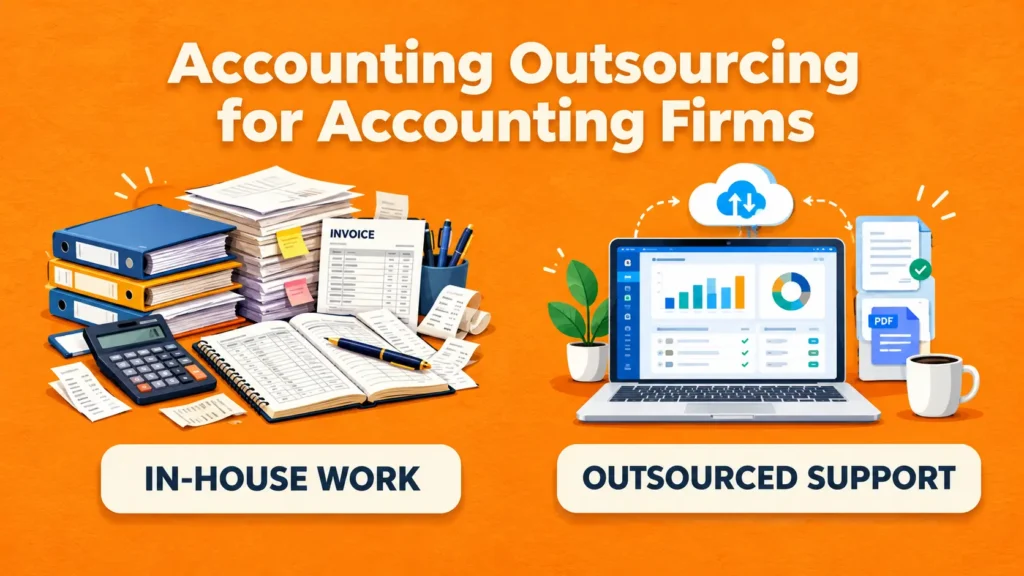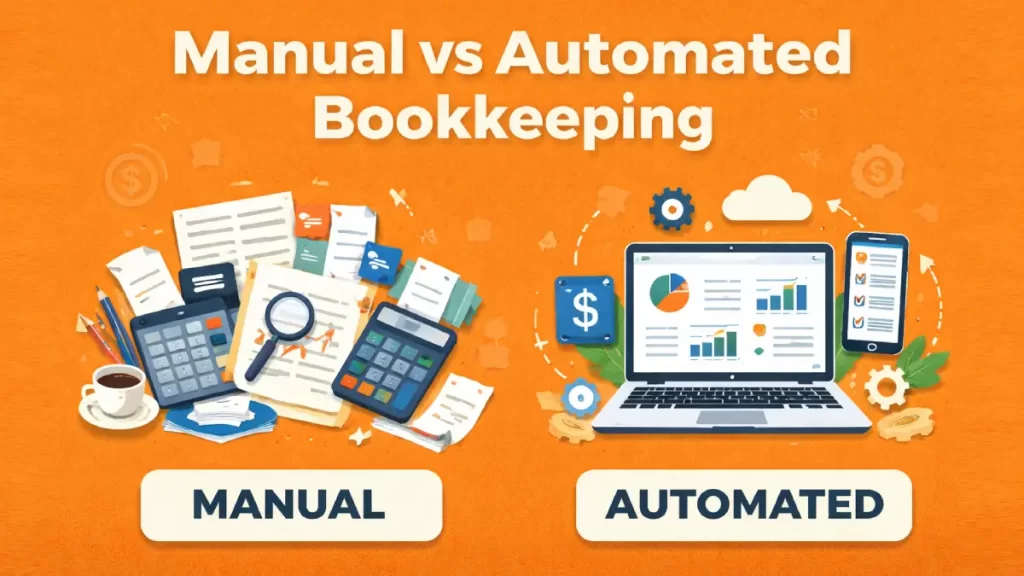

Running an accounting firm in the UK involves much more than preparing accounts and submitting tax returns. From bookkeeping and reconciliations to managing financial records and supporting month-end processes, there are many tasks that need to be completed accurately and on time.
As client expectations grow and reporting deadlines become tighter, managing every back-office activity in-house can put pressure on an accounting team. It can also leave less time for client communication, business development and higher-value advisory work.This is where accounting back office services can help. By outsourcing suitable administrative and accounting tasks to an experienced service provider, UK accounting firms can manage workloads more efficiently, improve consistency and make better use of their internal resources.
For firms looking to grow without continually increasing their in-house workload, back-office support can be a practical way to build a more flexible business.
What Are Accounting Back Office Services UK?
Accounting back office services are the activities that support the daily running of an accounting practice but do not always require direct client-facing involvement.These services can include bookkeeping, bank reconciliations, accounts preparation support, data entry, accounts payable and receivable processing, and the organisation of financial records.
For UK accounting firms, the scope of support may also include assistance with VAT records, month-end reporting and year-end accounts preparation, depending on the provider’s expertise and the firm’s requirements.The aim is to keep essential accounting processes organised and up to date, allowing accountants to focus on reviewing financial information, advising clients and meeting their professional responsibilities.
Outsourcing does not remove an accounting firm’s responsibility for the quality of its work or its obligations to clients. Clear procedures, appropriate access controls and effective review processes remain essential.
Back Office Accounting Outsourcing UK
Back-office accounting outsourcing allows UK accounting firms to delegate selected routine accounting tasks to an external team rather than managing every activity internally.For example, a firm handling accounts for dozens of small businesses may spend considerable time entering transactions, reconciling bank statements and organising records. An outsourced team can assist with these tasks using agreed procedures and suitable accounting software.
This arrangement can be particularly useful during busy periods, such as VAT deadlines, month-end reporting and the year-end accounts season.
Common outsourced activities include:
- Bookkeeping and transaction processing.
- Bank and credit card reconciliations.
- Accounts payable and receivable support.
- Preparation and organisation of accounting records.
- VAT working papers and supporting documentation.
- Month-end and year-end accounts preparation assistance.
- Financial data entry and reporting support.
The exact services depend on the firm’s needs, the provider’s capabilities and the agreed division of responsibilities.
Accounting Back Office Outsourcing: Key Benefits for UK Firms
Outsourcing can offer accounting firms greater flexibility when managing client work and internal processes. However, the benefits depend on how well the arrangement is planned and managed.
More Time for Client-Facing Work
Routine processing can take up a significant proportion of an accountant’s working day. Delegating suitable tasks allows the in-house team to spend more time on client queries, financial reviews and advisory services.
Flexible Support During Busy Periods
Accounting workloads are not always consistent throughout the year. Firms may need additional capacity around tax return deadlines, VAT submissions and year-end reporting.
An outsourced arrangement can provide additional support without requiring the firm to recruit permanent employees for every increase in workload.
Consistent Accounting Processes
A reliable back-office arrangement uses documented procedures, agreed deadlines and quality checks. This can help firms maintain more consistent working practices across different client accounts.
Better Control Over Operating Costs
Recruitment, salaries, training, software and staff management all contribute to the cost of maintaining an in-house team.
Outsourcing may help firms manage these costs more flexibly. The financial benefit should be assessed against the provider’s fees, internal review time, software requirements and any additional management costs.
Support for Business Growth
As an accounting practice takes on more clients, the volume of bookkeeping and administrative work often increases.
Back-office support can help firms manage additional workloads while allowing senior staff to concentrate on service quality, client relationships and business development.
Finance Back Office Outsourcing
Finance back office outsourcing covers a wider range of financial administration and processing activities. Depending on the arrangement, it may support accounting practices as well as businesses that need help managing routine finance operations.
Typical activities include invoice processing, supplier account reconciliations, payment record management, expense processing, accounts receivable administration and financial reporting support.
For UK businesses, these processes need to work alongside the organisation’s existing accounting systems and financial controls.
A well-managed outsourcing arrangement should establish who is responsible for processing transactions, approving payments, reviewing reports and maintaining supporting documentation. Segregation of duties and appropriate approval controls are particularly important when handling financial information.
Accounting Support Services UK
Accounting support services help firms manage recurring tasks that keep client accounts accurate, complete and ready for review.
The level of support can range from straightforward bookkeeping assistance to more involved accounts preparation and financial reporting work.
For example, an accounting practice may outsource transaction processing and reconciliations while retaining responsibility for reviewing the figures, advising the client and approving the final accounts.
When choosing a provider, UK firms should consider its experience with relevant accounting software, its understanding of UK accounting requirements, the quality of its review procedures and its ability to work within the firm’s established processes.
Back Office Services for Accounting Firms
Accounting firms have different needs depending on their client base, team size and service offering. A sole practitioner may need help with bookkeeping during busy periods, while a larger practice may require regular support across multiple client accounts.
Back-office services can be tailored to these different requirements.
Bookkeeping and Bank Reconciliations
Accurate bookkeeping provides the foundation for reliable financial reporting. An outsourced team can help record transactions, reconcile bank accounts and identify discrepancies for further investigation.
Accounts Preparation Support
Providers may assist with organising trial balances, maintaining supporting schedules and preparing working papers for review. Final responsibilities should be clearly agreed, particularly where professional judgement or formal approval is required.
VAT Record Support
Back-office teams can help organise VAT transactions, check supporting records and prepare working papers for review. VAT treatment and submission responsibilities should be agreed with the accounting firm, with appropriate checks against current HMRC requirements.
Accounts Payable and Receivable
Support may include processing supplier invoices, maintaining customer records, monitoring outstanding balances and preparing aged debtor or creditor reports.
Month-End and Year-End Support
An outsourced team can help maintain schedules, reconcile accounts and organise documentation needed for reporting periods. This can make the review process more structured and reduce last-minute pressure on the firm’s staff.
How to Choose the Right Accounting Back Office Service Provider in the UK
Choosing a suitable provider involves more than comparing prices. Accounting firms need a partner that understands their workflows, communicates clearly and handles confidential financial information responsibly.
Consider the following factors before making a decision:
- Relevant experience: Check whether the provider has experience supporting UK accounting firms and understands the work involved.
- Software compatibility: Confirm that it can work with your existing accounting systems and agreed processes.
- Data security: Review access controls, confidentiality arrangements, data handling practices and incident response procedures.
- Quality assurance: Ask how work is checked, how errors are corrected and how outstanding queries are managed.
- Communication: Agree on working hours, reporting arrangements, escalation procedures and response times.
- Scalability: Establish whether the provider can accommodate changes in workload as your practice grows.
- Transparent pricing: Understand the charging structure, service limits, additional fees and responsibilities retained by your firm.
- UK regulatory awareness: Check how the provider supports your processes for relevant UK tax, accounting, data protection and client confidentiality requirements.
How Nippon Data Consulting Supports Accounting Firms
Nippon Data Consulting provides accounting outsourcing support designed to help firms manage routine accounting and back-office activities more efficiently.For UK accounting firms, suitable support may include bookkeeping, reconciliations, accounts preparation assistance and other agreed finance processes. The scope should be tailored to the firm’s existing systems, client requirements and internal review procedures.
By delegating appropriate recurring tasks, accounting practices can create more capacity for client service, financial review and business development while maintaining oversight of their work.
If your firm is considering outsourcing, start by identifying the tasks that consume the most time, then discuss the required processes, software access, turnaround times and quality checks with Nippon Data Consulting.
Conclusion
Accounting back office services can help UK accounting firms manage routine workloads, maintain organised financial records and make better use of their internal resources.From bookkeeping and reconciliations to accounts preparation support and finance administration, the right outsourcing arrangement can provide additional capacity without requiring every task to be completed in-house.The key is to choose a provider that understands your requirements, follows clear procedures and supports your firm’s quality and security standards.
Looking for accounting back-office support for your UK practice? Contact Nippon Data Consulting to discuss your requirements and explore a service arrangement that fits your firm’s workflows and business goals.