
Tax season is one of the busiest periods for UK accounting firms. As the 31 January Self Assessment deadline approaches, accountants often face a growing number of tax returns, outstanding client records, bookkeeping tasks and year-end accounts. Managing this additional work alongside day-to-day responsibilities can put pressure on staff, affect turnaround times and limit opportunities to take on new clients.
For accountancy practices looking to grow, the challenge is not simply completing more work. It is finding a better way to manage workloads, maintain accuracy and deliver a consistent service without overburdening the in-house team.
The good news is that accounting firms can reduce seasonal pressure through better planning, streamlined processes, accounting software and professional outsourcing support.
Why Tax Season Creates Heavy Workloads for UK Accounting Firms
Many UK accounting firms experience a significant increase in work between October and January, particularly when preparing Self Assessment tax returns. The online filing deadline for most individual Self Assessment returns is 31 January following the end of the tax year.
However, the pressure rarely comes from tax returns alone. Accountants must also manage client queries, reconcile financial records, prepare year-end accounts and keep routine services running.
Common challenges include:
- Clients submitting financial records close to the deadline.
- Missing invoices, receipts and bank statements.
- Large volumes of bookkeeping and reconciliation work.
- Limited staff capacity during peak periods.
- Repetitive manual data entry and document checking.
- Less time available for client relationships and advisory services.
Without a clear workflow, these issues can lead to backlogs, longer working hours and increased pressure on the entire practice.
1. Plan Tax Season Workloads in Advance
One of the most effective ways to reduce tax season workload is to start preparing well before the busiest months.
Rather than waiting until November or December to organise outstanding work, accounting firms should review their client portfolios and expected deadlines earlier in the year.Start by identifying the number of tax returns, year-end accounts and other compliance tasks that need to be completed. Estimate the time required for each job and compare it with the available capacity of your team.
Create a structured workload plan that includes:
- A list of clients requiring tax return preparation.
- Deadlines for receiving documents and completing reviews.
- Staff responsibilities for each stage of the process.
- A priority list for complex or time-sensitive cases.
- Additional support requirements for periods of high demand.
Early planning gives practice managers a clearer picture of upcoming workloads and allows them to arrange additional resources before pressure builds.
2. Improve Client Document Collection
Late or incomplete client information is a common cause of delays during tax season. Even experienced accountants can struggle to meet deadlines when essential records arrive at the last minute.UK accounting firms can reduce this problem by introducing a consistent document collection process.
Send clients clear information requests well in advance. Explain which documents are required, when they should be submitted and how they can provide the information securely.
Useful improvements include:
- Sending automated reminders before internal deadlines.
- Using secure document-sharing portals.
- Providing standard checklists for different client types.
- Tracking outstanding documents through practice management software.
- Following up with clients whose records remain incomplete.
A standard process helps the team identify missing information early and reduces repeated emails and unnecessary follow-ups.
3. Automate Repetitive Accounting Tasks
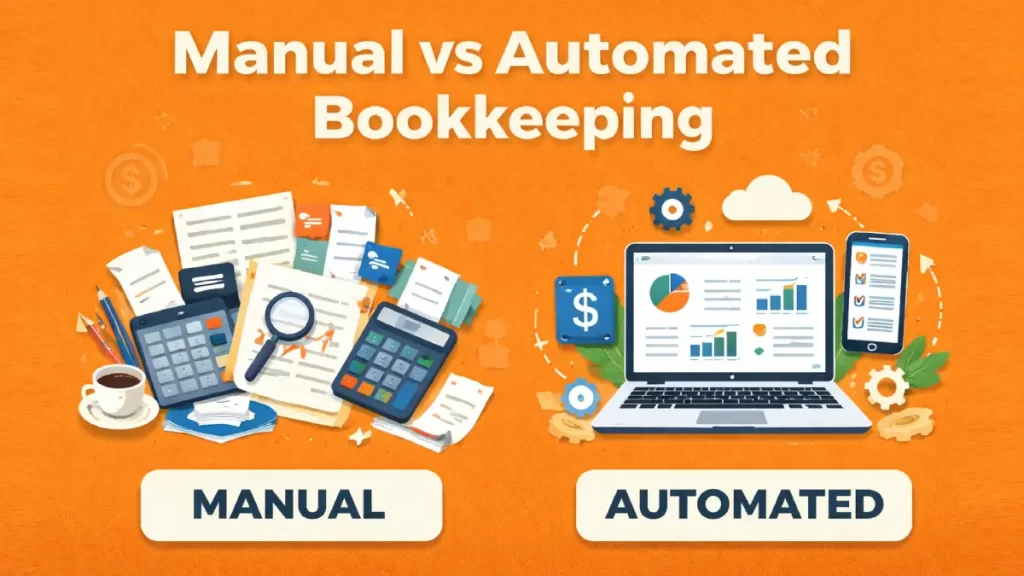
Manual processes can consume a substantial amount of time during busy periods. Entering transactions, matching bank records, organising receipts and preparing routine reports can leave accountants with less time for more valuable work.
Accounting automation can help reduce this administrative burden.
Cloud accounting platforms and connected practice management tools may support features such as bank feeds, transaction matching, receipt capture, recurring invoices and workflow reminders.Before introducing automation, review which activities take the most time and are suitable for standardisation.For example, automating routine transaction imports can reduce manual data entry, while a central workflow system can make it easier to monitor job progress and identify bottlenecks.
Automation does not eliminate the need for professional judgement. Accountants should continue to check unusual transactions, investigate discrepancies and review work before submitting returns or finalising accounts.
4. Standardise Your Accounting Workflows
When every team member follows a different process, work can become difficult to track. Files may be passed between colleagues without clear instructions, reviews can be delayed and the same information may be checked more than once.
Standardised workflows help accounting practices manage high volumes of work more consistently.
Create a defined process for each service, such as bookkeeping, VAT return preparation, year-end accounts and Self Assessment tax returns.
A typical tax return workflow might include:
- Request and collect client information.
- Check documents for completeness.
- Organise and reconcile the financial records.
- Prepare the draft tax return.
- Complete the required technical and quality checks.
- Send the return for review and client approval.
- Arrange submission by the authorised person.
Assigning responsibility to each stage helps staff understand what needs to happen next and makes it easier for managers to monitor progress.
5. Use Accounting Outsourcing Services for UK Accounting Firms
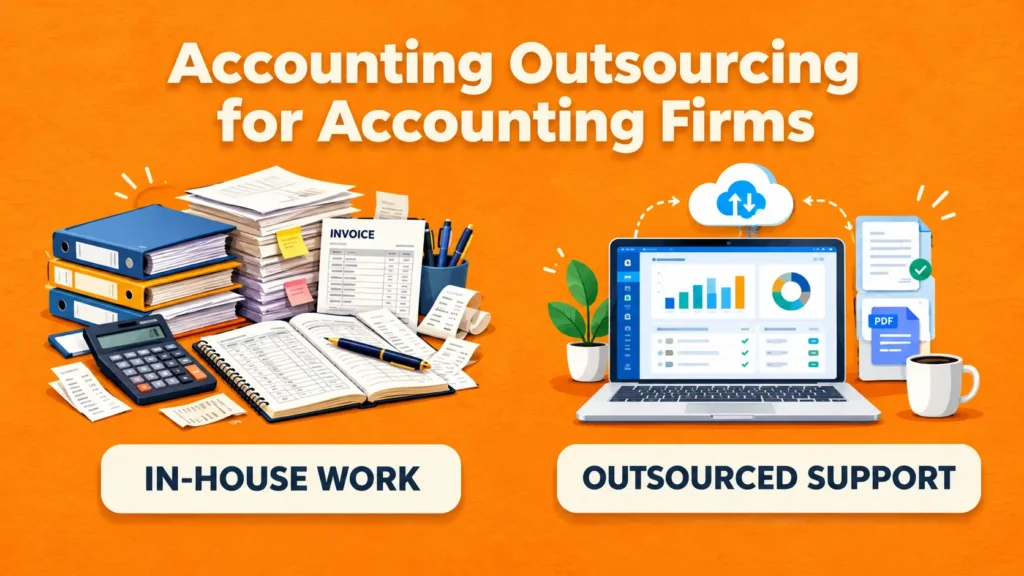
When the volume of work exceeds the capacity of the in-house team, outsourcing can provide additional support without requiring the practice to recruit permanent employees for a seasonal requirement.Accounting outsourcing services for UK accounting firms can help practices manage recurring processing tasks and prepare for periods of increased demand.
Depending on the provider and agreed scope, outsourced support may include:
- Bookkeeping and bank reconciliation.
- Preparation of year-end accounts.
- Draft Self Assessment tax returns.
- VAT return preparation support.
- Management accounts preparation.
- Accounting data entry and financial record organisation.
For example, an accounting practice with a large number of outstanding bookkeeping jobs could allocate suitable preparation work to an outsourcing partner. Its in-house accountants could then concentrate on reviewing the completed work, addressing technical questions and maintaining client relationships.
The precise division of responsibilities should be agreed in advance. The UK practice should retain appropriate oversight, review arrangements and control over client communications and statutory submissions.
How Outsourcing Helps Manage Seasonal Workloads
Outsourcing can offer several practical advantages for accountancy practices.
Additional capacity: Access to an external team can help the practice manage more work when internal resources are stretched.
More predictable workflows: Allocating suitable tasks in advance can help reduce backlogs and last-minute pressure.
Better use of in-house expertise: Senior accountants can spend more time on complex cases, client advice and reviewing work.
Flexible support: Depending on the arrangement, practices may be able to scale support according to the volume of work required.
Greater focus on growth: Reducing the burden of routine processing can create more time to develop client relationships and explore additional service opportunities.
Outsourcing works best when the practice has clear procedures, secure information-sharing arrangements, agreed turnaround times and an effective quality review process.
6. Consider Outsourced Bookkeeping and Year-End Accounts Preparation
Tax season pressure often begins before the tax return itself is ready to prepare. If bookkeeping records are incomplete or unreconciled, the team must spend additional time resolving discrepancies before progressing with accounts and tax work.
Outsourced bookkeeping and year-end accounts preparation can help UK practices address these bottlenecks.
An external team can assist with agreed preparation tasks, including organising transactions, reconciling accounts, maintaining bookkeeping records and preparing draft financial statements from the information supplied.
This approach can be particularly useful for firms managing a large client portfolio or dealing with several year-end deadlines at the same time.Before outsourcing, establish clear file requirements, accounting software access, deadlines and review procedures. Ensure the provider understands your working methods and the standards expected by your practice.
7. Improve Staff Capacity Planning
Hiring additional permanent employees is not always the most practical response to a short-term increase in workload. Recruitment takes time, and the additional capacity may not be needed throughout the year.
Accounting firms should review their workload patterns and compare expected demand with the time available from existing staff.
Consider the following options:
- Redistribute work according to team members’ experience and availability.
- Complete straightforward jobs earlier in the season.
- Introduce temporary or flexible support where appropriate.
- Outsource suitable preparation tasks during peak periods.
- Reserve senior staff time for complex work and final reviews.
Capacity planning should be based on realistic estimates rather than assumptions. Track how long different types of jobs take, where delays occur and which tasks create the greatest pressure.
These insights can help practice managers make better decisions before the next busy season.
8. Protect Quality and Client Service During Busy Periods
Reducing workload should not come at the expense of accuracy or client experience. Rushed preparation, unclear responsibilities and inadequate reviews can create avoidable problems.
To maintain service standards, introduce quality checks at important stages of the process.
Use review checklists, consistent file documentation and clear escalation procedures for unusual transactions or missing information. Where work is outsourced, ensure the engagement includes suitable confidentiality provisions, data protection measures and review responsibilities.Keep clients informed about progress and explain when additional information is required. Clear communication helps manage expectations and reduces unnecessary follow-ups.
The aim is to build a process that supports both efficiency and professional standards, even when deadlines are approaching.
9. Prepare for Making Tax Digital and Changing Compliance Workloads
UK accounting firms should also consider how changes to tax reporting requirements may affect future workloads.
Making Tax Digital for Income Tax introduces digital record-keeping and quarterly reporting requirements for taxpayers within scope, alongside a year-end finalisation process. HMRC’s published guidance explains the requirements and preparation steps for agents.For practices with affected clients, this means reviewing software readiness, client records, staff training and the way work is scheduled throughout the year.
Preparing early can help firms avoid treating every new reporting requirement as an additional last-minute task. It also creates an opportunity to review existing bookkeeping processes and identify work that could be automated or supported through outsourcing. Read the official guidance on Making Tax Digital for Income Tax for accountants and agents
How Nippon Data Consulting Supports UK Accounting Firms
Nippon Data Consulting provides accounting outsourcing support for UK accounting firms that need help managing routine accounting work and balancing workloads during busy periods.Our services are designed to support accountancy practices that want to improve operational efficiency while keeping control of client relationships, professional reviews and final decisions.Depending on your requirements, support can include bookkeeping, VAT-related preparation, year-end accounts preparation and other agreed accounting tasks.
Working with an outsourcing partner can help your practice allocate resources more effectively, manage backlogs and make better use of its in-house expertise.Whether you need assistance during Self Assessment season or ongoing support with recurring accounting work, the starting point is to identify your workload challenges and agree on a suitable working arrangement.
Conclusion: Reduce Tax Season Pressure with a Better Workload Strategy
ax season does not have to mean months of backlogs, long working hours and constant deadline pressure. UK accounting firms can take practical steps to improve their operations by planning early, collecting client information sooner, automating repetitive tasks and standardising workflows.
When internal capacity remains limited, accounting outsourcing services can provide additional preparation support and help practices manage seasonal demand more effectively.
The key is to build a reliable process that combines technology, clear responsibilities, professional oversight and the right level of support.
Looking for accounting outsourcing support for your UK practice?
Contact Nippon Data Consulting to discuss your bookkeeping, VAT preparation and year-end accounts support requirements. Find out how a tailored outsourcing arrangement could help your team manage workloads more effectively and focus on delivering greater value to clients.